Service
Our Services: From Inquiry to Shipment
At FaceMaskFactory.com, we provide facial mask manufacturing services designed to support international beauty brands, skincare companies, importers, distributors, wholesalers, and private label businesses. Our service process covers the key stages of a manufacturing order, from the initial inquiry and product specification confirmation to production coordination, quality inspection, packing, and shipment.

We understand that overseas buyers need more than a product supplier. They need a manufacturing partner who can communicate clearly, confirm requirements accurately, coordinate production, and help ensure that orders are prepared according to agreed specifications.
Whether you are purchasing facial masks for wholesale distribution, developing a private label skincare line, or placing a customized OEM order, our objective is to make the purchasing process clear, organized, and commercially practical.
Every project is different. Product type, order quantity, packaging requirements, customization level, destination market, and shipping arrangements can all affect the process. We therefore confirm the relevant details before moving from one stage to the next.
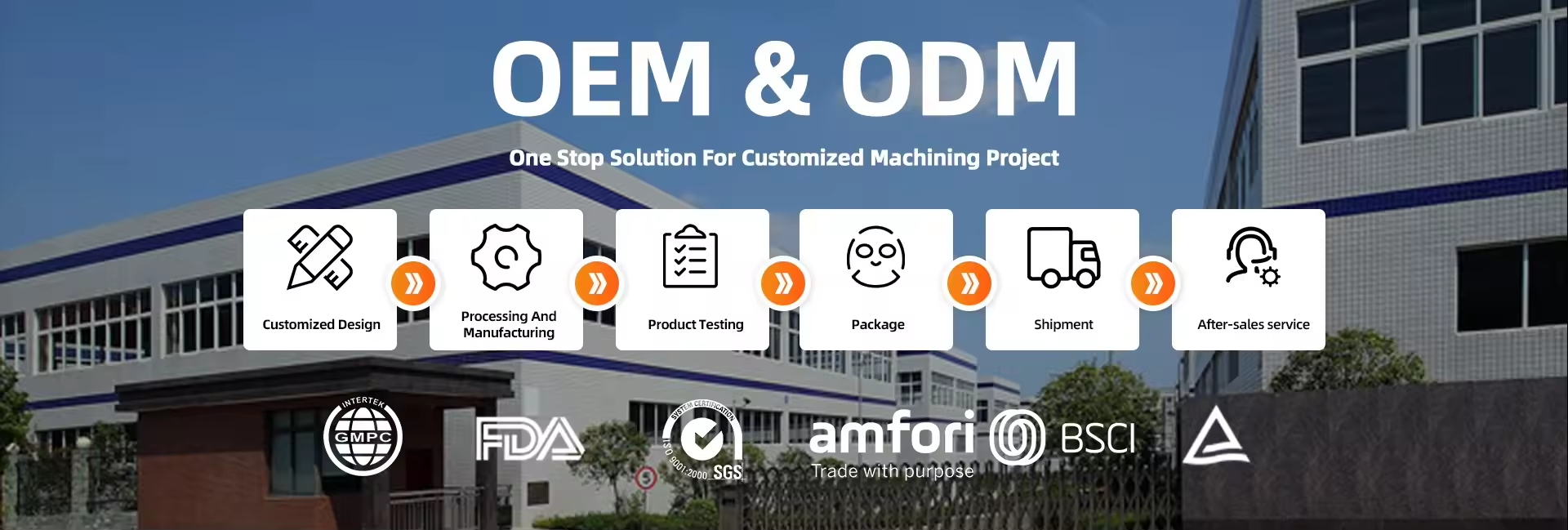
Our standard service workflow follows six key stages:
01. Inquiry & Requirement Assessment
Understand your product, quantity, target market, and purchasing requirements.
02. Quotation & Order Confirmation
Confirm specifications, pricing, packaging, lead time, and commercial terms.
03. Product & Packaging Approval
Review samples where applicable, artwork, labeling, and final specifications.
04. Production & Manufacturing Coordination
Arrange production according to the confirmed order requirements.
05. Quality Inspection & Packing
Check applicable product and packaging requirements before shipment.
06. Shipment & Order Follow-Up
Coordinate shipping arrangements and provide agreed order documentation.
1. Inquiry and Requirement Assessment
Every successful order starts with a clear understanding of the buyer's requirements.
When you contact FaceMaskFactory.com, we first review your inquiry to understand the product you are looking for, your purchasing objectives, and the requirements that will influence manufacturing and delivery.
Our customers include established skincare brands, importers, distributors, wholesalers, beauty retailers, and businesses developing their own private label products. Each customer may have different priorities, so we evaluate inquiries according to their specific requirements rather than assuming that every order follows the same process.
During this stage, relevant information may include:
Product type: Sheet masks, hydrogel masks, or other facial mask formats within our manufacturing capabilities.
Order quantity: Estimated purchase volume and expected repeat-order demand.
Customization: OEM specifications, private label branding, or other product requirements.
Packaging: Individual sachets, retail boxes, multipacks, or other suitable packaging options.
Target market: Destination country and intended sales channel.
Delivery requirements: Expected schedule, shipping destination, and preferred shipping arrangements.
If you already have product specifications, reference images, packaging artwork, or an existing product sample, sharing these materials can help us understand your needs more accurately.
If your product concept is still being developed, we can first clarify the intended product format and identify the key specifications that need to be confirmed.
The objective of this stage is to establish a clear project scope before preparing a quotation.
2. Product Selection and Manufacturing Feasibility
After reviewing your inquiry, the next step is to determine whether the requested product and customization requirements are suitable for the available manufacturing arrangements.
For standard facial masks, this may involve confirming the product format, available specifications, packaging configuration, and applicable order quantity.
For OEM and private label projects, additional discussion may be needed to clarify product materials, formulation requirements, branding, packaging design, and other customized details.
Not every product can accommodate every customization option. Feasibility may depend on material availability, formulation compatibility, packaging specifications, production processes, order volume, and applicable regulatory requirements.
For this reason, we recommend confirming important technical details before finalizing the commercial proposal.
For customers entering the facial skincare market, this stage can also help distinguish between a standard product with customized branding and a more complex product development project. These approaches may have different costs, approval requirements, and lead times.
Our aim is to help buyers establish realistic expectations and identify a suitable manufacturing route before committing to an order.
3. Quotation and Commercial Confirmation
Once the product requirements are sufficiently clear, we prepare a quotation based on the confirmed project scope.
A manufacturing quotation may include product pricing, order quantity, packaging costs, customization charges, applicable sample fees, estimated production lead time, and other agreed commercial details.
The final price depends on the product type, specifications, order volume, materials, packaging configuration, and any additional requirements.
We encourage buyers to review the quotation carefully and confirm that the listed specifications match their expectations.
Important details to verify include:
Product name and specifications
Unit price and order quantity
Minimum order quantity, where applicable
Packaging configuration and customization
Sample or testing costs, if applicable
Estimated production schedule
Payment terms
Shipping terms and allocation of freight costs
Shipping terms should clearly identify the agreed delivery arrangement and the responsibilities of each party. International orders may use different Incoterms depending on the transaction.
If the buyer requires changes to the product or packaging, the quotation should be reviewed accordingly before the order is finalized.
Once both parties agree on the commercial terms and product requirements, the order can proceed to confirmation.
Clear quotation and order documentation help reduce misunderstandings and provide a reference for subsequent production and inspection.
4. Order Confirmation and Production Planning
After the quotation has been accepted, the order details are formally confirmed according to the agreed commercial arrangement.
This stage establishes the information required to organize manufacturing and prepare the order for production.
Depending on the project, the confirmed order information may include the purchase order, product specifications, quantities, approved packaging details, production requirements, payment arrangements, and requested delivery schedule.
For customized products, all relevant details should be reviewed before production begins. This may include approved artwork, labeling information, material specifications, and any agreed product reference.
Production planning depends on the product, order quantity, material availability, packaging requirements, and the existing production schedule. Any special deadlines should therefore be discussed and confirmed in advance.
Changes requested after order confirmation may affect costs, material preparation, production timing, or other arrangements. Where changes are necessary, the parties should review their impact and approve the revised requirements before implementation.
Our goal is to establish a clear production plan based on the confirmed order rather than rely on assumptions or incomplete information.
5. Sampling and Product Approval
For customized OEM and private label projects, sampling may be an important step before mass production.
A sample allows the buyer to review relevant product characteristics and confirm whether the proposed product meets the agreed requirements.
Depending on the product, the review may cover mask material, dimensions, appearance, texture, packaging format, printed artwork, and other applicable specifications.
If the project involves customized formulations, additional technical evaluation or testing may be required. The exact process depends on the product and agreed development scope.
For packaging customization, buyers should check that the artwork, product information, brand elements, dimensions, and other details are correct before approving production.
Any requested modifications should be documented and reviewed for their potential impact on cost and lead time.
Sampling availability, fees, and timing vary by project. Some standard products may not require a separate sampling stage, while customized products may need additional review before mass production can proceed.
Once the relevant approvals have been obtained, the approved specifications can serve as a reference for the manufacturing order.
This stage is particularly valuable for businesses that need their private label products to match a defined brand identity or existing product range.
6. OEM and Private Label Customization
FaceMaskFactory.com supports discussions about OEM and private label facial mask projects, subject to actual product capabilities and the requirements of each order.
Customization may involve branding, packaging artwork, labeling, product specifications, and other agreed features.
For private label buyers, the objective is to develop a product that fits their brand positioning and intended sales channel. For OEM buyers, the emphasis may be on manufacturing according to specific technical or commercial requirements.
Before production, the customer and manufacturing partner should confirm which elements are being customized and which will remain standard.
This distinction is important because customized specifications may influence material sourcing, production arrangements, packaging preparation, minimum order quantities, and lead times.
Customers should also consider destination-market requirements when developing product labels and packaging. Depending on the market and product classification, certain ingredient information, warnings, directions for use, or other details may be legally required.
The buyer should provide accurate branding assets and required product information, while the relevant parties should clarify responsibilities for reviewing and approving final artwork.
Our approach is to establish the customization scope clearly, confirm feasibility, and ensure that the approved requirements are documented before mass production.
7. Production and Manufacturing Coordination
Once the order requirements and necessary approvals have been confirmed, manufacturing can proceed according to the agreed production plan.
The specific production process depends on the type of facial mask being manufactured. Different product formats may involve different materials, processing steps, filling operations, packaging methods, and production equipment.
Production coordination focuses on following the confirmed order specifications and managing the relevant manufacturing arrangements.
Depending on the product and applicable procedures, production activities may include:
Preparation and verification of required materials
Manufacturing according to approved product specifications
Applicable process checks during production
Product filling or assembly, where relevant
Packaging and labeling operations
Recording relevant production information
The exact activities and controls vary by product.
For OEM and private label orders, maintaining consistency with approved specifications is particularly important. Changes to formulation, material, packaging, or artwork should not be introduced without the necessary review and approval.
Production timing can be affected by order volume, customization requirements, material availability, and other operational factors. The agreed schedule should therefore be treated as part of the order plan and updated if significant changes occur.
Our objective is to coordinate the manufacturing process around the confirmed order requirements and maintain clear communication about relevant production arrangements.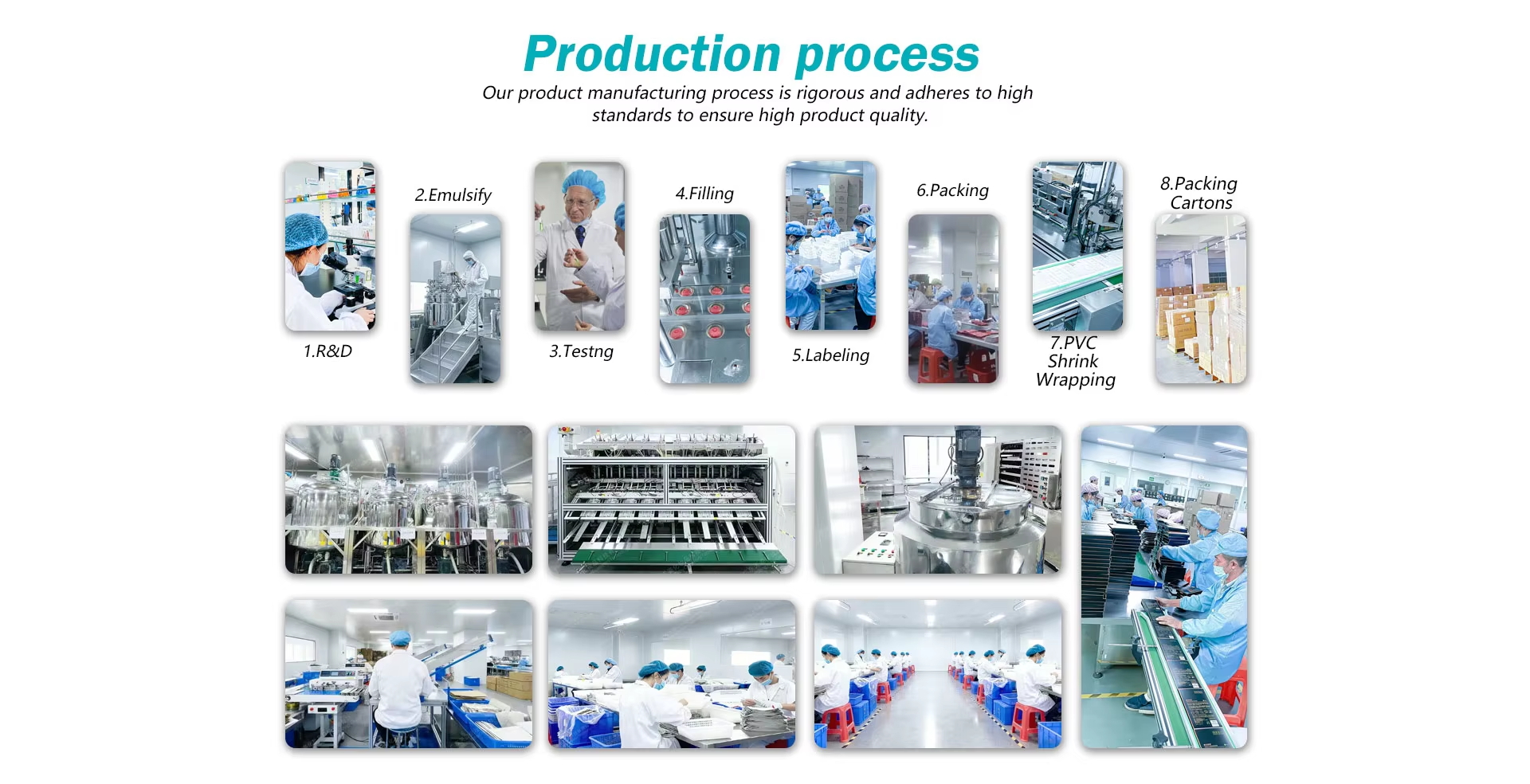
8. Quality Control During Production
Quality control is an important part of preparing facial mask orders for delivery.
The appropriate inspection process depends on the product, manufacturing method, customer specifications, and applicable quality requirements.
During production, relevant checks may be used to identify deviations from the approved requirements. These may include material verification, appearance checks, filling or quantity checks, packaging inspection, and review of other product-specific characteristics.
For facial masks containing cosmetic formulations, additional quality considerations may apply, depending on the formulation and destination market. Such requirements should be established according to the applicable specifications and regulatory obligations.
For customized packaging, inspection may also cover printed information, artwork accuracy, packaging configuration, and visible defects.
If a discrepancy is identified, the appropriate response depends on the issue and the established procedures. The affected products may need further evaluation, correction, segregation, or reinspection before the order proceeds.
The inspection scope should be agreed in advance where possible, particularly when the buyer has specific acceptance criteria or documentation requirements.
Quality control is not limited to visual appearance. Some requirements may need instruments, laboratory testing, or qualified external service providers. Any such testing should be confirmed according to the product and project scope.
9. Finished Product Inspection
Before shipment, the finished order should be reviewed against the agreed requirements and applicable inspection arrangements.
The purpose of finished-product inspection is to identify relevant discrepancies and confirm that the order is prepared according to the agreed specifications.
Depending on the product, inspection may include:
Product appearance: Checking visible characteristics against the approved product requirements.
Packaging condition: Reviewing packaging appearance, seal condition where relevant, and visible damage.
Quantity verification: Confirming the order quantity and applicable packaging configuration.
Labeling and artwork: Checking printed details against the approved artwork and specifications.
Carton and packing details: Reviewing outer packaging and relevant shipping marks where specified.
Documentation: Checking that the agreed order records and shipping documents are prepared as required.
Not every check applies to every product. The scope, sampling method, acceptance criteria, and any additional testing should be defined according to the order requirements.
If the buyer requires a specific inspection procedure or an independent third-party inspection, this should be discussed before production or shipment planning is finalized.
Any inspection findings should be evaluated against the confirmed requirements rather than subjective expectations introduced after the order is completed.
A clear inspection process helps buyers and manufacturing partners establish a shared understanding of order acceptance.
10. Packing and Shipment Preparation
After the applicable production and inspection steps are completed, the order can be prepared for shipment.
Packing requirements depend on the product, retail packaging, transport method, destination, and agreed commercial terms.
Appropriate outer packaging helps protect products during handling and transportation. Carton quantities, package configurations, shipping marks, and other details should follow the confirmed order instructions.
Before dispatch, relevant information may include:
Final order quantity
Carton count and packing configuration
Outer carton markings, where required
Shipping destination and consignee information
Agreed shipping method and delivery terms
Required commercial and transport documentation
For international shipments, buyers should confirm the destination country's import requirements and communicate any special documentation needs in advance.
Depending on the transaction, shipment arrangements may involve sea freight, air freight, courier services, or another agreed method. The most suitable option depends on shipment volume, delivery timing, destination, and cost considerations.
The responsibilities for booking transport, export arrangements, import clearance, insurance, and freight charges depend on the agreed shipping terms.
Confirming these details early helps avoid last-minute changes and supports a more organized dispatch process.
11. Shipping Documents and Delivery Coordination
Accurate shipping information is important for international trade. The documentation required depends on the destination, product, shipping method, transaction structure, and applicable regulations.
Commercial and transport documents may include a commercial invoice, packing list, bill of lading or air waybill, and other documents required for the specific shipment.
Additional product-related documents may be necessary depending on the destination market and the nature of the facial mask products.
The parties should confirm which documents are required, who will prepare them, and which information must be included.
Particular attention should be given to product descriptions, quantities, consignee details, carton information, and other relevant shipment data.
For regulated skincare products, documentation requirements should be assessed before shipment rather than assumed to be identical across all markets.
Once the shipment has been dispatched, relevant shipment information can be shared according to the agreed arrangement. Depending on the shipping method, this may include tracking details or transport documentation.
Delivery time is influenced by the transport method, destination, customs clearance, carrier schedules, and other factors outside the manufacturing process. Any estimated transit time should therefore be treated as an estimate rather than an unconditional guarantee.
12. After-Sales Support and Repeat Orders
Our service process does not necessarily end when the shipment leaves the factory.
For B2B customers, post-shipment communication can help clarify order information, review feedback, and support future purchasing decisions.
If a buyer has a question about the delivered order, relevant information such as the order reference, product details, batch identification where available, photographs, and a description of the concern can help the parties investigate efficiently.
Any quality concern should be evaluated against the confirmed specifications, inspection records, commercial terms, and applicable requirements.
The appropriate resolution depends on the circumstances and the findings of the review.
For repeat orders, retaining approved product specifications, packaging artwork, and other relevant information can make subsequent purchasing more efficient. Changes to the product or packaging should still be reviewed and confirmed before a new order begins.
We understand that dependable repeat purchasing is important for brands and distributors seeking a stable supply of facial mask products.
Our aim is to support clear communication and organized coordination throughout the business relationship.
13. What We Need From You to Start
To help us assess your project and prepare an appropriate quotation, please provide as much of the following information as possible.
Product requirements: The type of facial mask and any available product specifications.
Order quantity: Your estimated quantity for the first order and expected repeat demand.
Branding requirements: Whether you need standard products, OEM manufacturing, or private label customization.
Packaging details: Preferred package format, artwork, and labeling requirements.
Destination market: The country or region where the products will be sold.
Delivery expectations: Your target schedule and preferred shipping arrangement.
Quality requirements: Any required inspections, tests, standards, or supporting documentation.
If some details are not yet finalized, you can start with your product concept and estimated order quantity. The remaining requirements can be clarified during the inquiry process.
Providing accurate information at the beginning helps us evaluate manufacturing feasibility, identify the details that need confirmation, and prepare a more useful quotation.
Let's Start Your Face Mask Order
At FaceMaskFactory.com, we aim to make facial mask purchasing more organized by clearly defining the steps from inquiry and quotation to manufacturing, inspection, packing, and shipment.
Whether you are an established skincare brand, an importer sourcing products for distribution, a wholesaler expanding your product range, or a business developing private label facial masks, we welcome your inquiry.
Tell us what you need, where you plan to sell, and your expected order quantity. We can then discuss the applicable product options, customization requirements, commercial terms, and next steps based on the project scope.
FaceMaskFactory.com — OEM, Private Label and Wholesale Face Mask Manufacturing Services, from Order Confirmation to Shipment.
Contact our team to discuss your requirements and begin your manufacturing inquiry.
LATEST NEWS
CONTACT US
Whatsapp: +8615360824492
Phone: +8615360824492
Tel: +8615360824492
Email: [email protected]
Addr: No.104, building A, Fengshen Road, Huadu District, Guangzhou City, China
